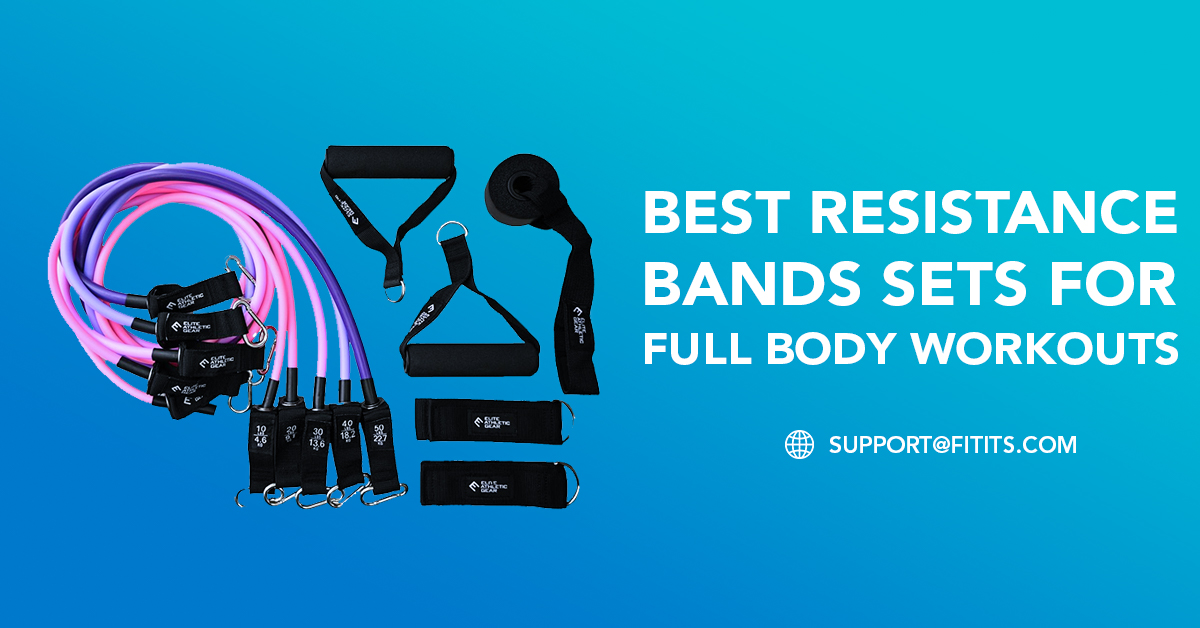

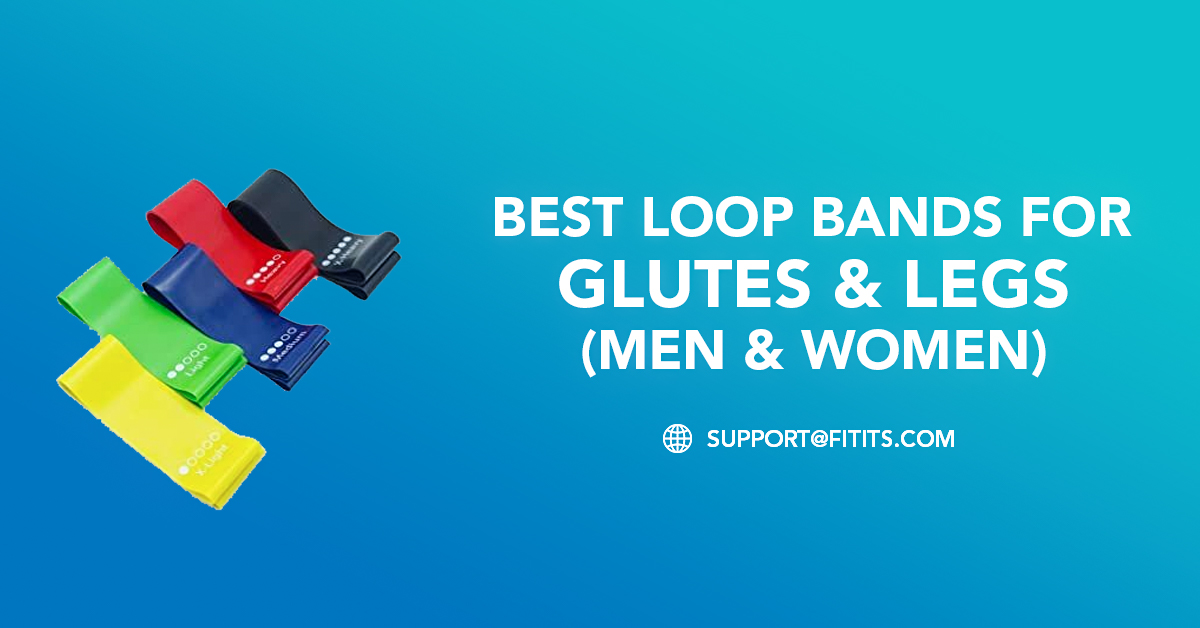

In the huge world of fitness equipment, the smallest and easiest tools often have the biggest effects. Heavy barbells and complicated machines can be helpful, but the resistance loop band is often the best way to build a stronger, more sculpted lower body and protect your hips from injury. These small but powerful tools, which are often called mini bands or hip circles, are made to work the glutes and legs with unmatched accuracy. They are an important part of any good lower-body workout.
A resistance loop band is very portable and works very well. It makes your muscles, especially the important but often-ignored gluteus medius and minimus, work and stay stable during exercises. This leads to better activation, stronger muscles, and less risk of injury. They are the best way to warm up before a heavy squat session, make bodyweight exercises more difficult, or get a great leg workout with just a few square feet of floor space. Choosing the best resistance loop bands for your glutes and legs is an investment in smarter, more focused training that can help you get stronger and change the shape of your lower body.
This detailed guide will cover everything you need to know about these important fitness tools. We will talk about the two main types, latex and fabric, and then we will go over the features that make a set strong and useful. We’ll go over the best loop bands on the market, give you a full list of exercises to get your lower body moving, and help you feel good about choosing the right set to build the strong, functional base you want.
The Glute Awakening: How Mini Bands Fixed Jessica’s Hips
Jessica, who is 29 years old and runs and hikes on the weekends, was upset. Even though she was active, she always had knee pain and a weak lower back, especially after long runs. A physical therapist told her that her problems weren’t coming from her knees or back, but from “dormant glutes.” This meant that her main glute muscles weren’t firing properly during her runs, which made smaller, less-equipped muscles and joints take over, causing pain and instability. The therapist gave her a thin latex loop band and a list of exercises to do, like clamshells, glute bridges, and lateral walks.
Jessica wasn’t sure. How could this weak little band possibly fix a problem that had bothered her for years? But she was so desperate that she started adding 10 minutes of mini bands for glute activation exercises to her warm-up before every run. The first time she did a set of lateral walks with the band around her ankles, she felt a deep burn in the sides of her glutes. This was something she had never felt before. Her “dormant” muscles were coming back to life.
She quickly bought a full set of fabric resistance bands with different levels of tension and made them a must-do part of her routine. She used them to warm up, as a “finisher” after her workouts, and even on her rest days for lower-body workouts. The results changed everything. Her knee pain was gone in less than two months. Her lower back felt more stable and strong. She felt stronger and more explosive in her running stride, and she could see a difference in the shape and tone of her glutes. The resistance loop bands had done more than help her recover; they had also taught her body how to move correctly and powerfully from its true center of strength.
Decoding the Loop: A Guide for Buyers of Glute-Building Bands
You might think that all loop bands look the same from far away, but the material, size, and level of resistance make a big difference in how they feel, how long they last, and how well they work. These are the most important things to look at when trying to find the best resistance loop bands for your glutes and legs.
1. The Great Debate: Fabric vs. Latex
This is the most important thing to think about when picking out loop bands.
- Hip Circles: Fabric Resistance Bands
- Design: These are thick, wide bands made of woven elasticated fabric. They often have rubber grips on the inside to keep them from slipping.
- Pros: Very strong and won’t break easily. They are wider, so they don’t roll up or dig into your skin when you do squats and hip thrusts. The inner grip strips keep them in place. They typically offer higher levels of resistance, making them ideal for strength exercises.
- Cons: They don’t stretch as much and don’t let you move as much as latex does. The fixed resistance levels (like Light, Medium, and Heavy) are not as detailed.
- Mini Bands (Latex Resistance Bands):
- Design: These loops are made of 100% natural latex and are thinner and smaller than other loops. They are very stretchy and usually come in sets of 5 to 6 bands with different levels of resistance.
- Pros: It can be used for a lot of different things. Because they are very stretchy, they are great for a lot of different movements, like physical therapy exercises, mobility drills, and upper-body work. The granular resistance levels let you make very small changes to your progress.
- Cons: People say that they roll up during workouts, pinch the skin, and pull on leg hair. They are also less durable than fabric bands and can snap over time with use and wear.
The Verdict: Fabric bands are usually better for lower-body strength exercises like squats, glute bridges, and hip thrusts. Latex bands are more useful for physical therapy, warm-ups, mobility, and exercises that need a wider range of motion. A lot of serious athletes have both.
2. Levels of Resistance and Progression
Your bands should be hard enough to make you grow, but not so heavy that they hurt your form.
- Color Coding vs. Labeling: Most bands are color-coded, but the colors aren’t the same for all brands. The best sets have clear labels that say how much resistance they have, like “Light,” “Medium,” “Heavy,” or “15–25 lbs.”
- A Progressive Set: Look for a set that has at least three, but preferably four or five, levels of resistance. This lets you use a lighter band for mobility and activation work and a heavier band for your main strength exercises. It also lets you gradually overload your muscles as you get stronger.
3. How long it lasts and how it’s built
A band that breaks in the middle of a workout is both useless and dangerous.
- Layered Latex: If you want latex bands, make sure they are made of layered natural latex and not just one piece of molded latex. They are much less likely to snap when you layer them.
- Stitching (for Fabric Bands): Look at the stitching on fabric bands. It should be strong, heavy-duty, and not show any signs of fraying. This is the main reason why fabric bands fail.
- Non-Slip Grips (for Fabric Bands): Good fabric bands have rubber or silicone strips woven into the lining on the inside. This is an important feature that keeps the band from moving up or down your legs while you work out.
4. Size and measurements
- Length: Most loop bands are about 12 to 15 inches long when they are flat.
- Width: Fabric bands are much wider than latex bands. Fabric bands are usually 3 inches wide, while latex bands are usually 2 inches wide. This width stops them from rolling, which makes them more comfortable for heavy leg workouts.
The Best Resistance Loop Bands on the Market: A Review
We stretched, squatted, and tested the most popular bands to find the ones that are the most comfortable, durable, and effective for your lower body.
1. Mark Bell’s Sling Shot Hip Circle is the winner of the Fabric Band Champion.
Mark Bell, a famous powerlifter, made the Hip Circle. It was one of the first fabric bands and is still the best in terms of quality and performance.
- The Specs: A wide, super-durable fabric band made just for working out and strengthening the hips and glutes. Comes in different sizes and levels of resistance.
- How it feels: Very strong and well-made. It has a strong, steady resistance and will never roll or slip. It gives your glutes a strong contraction that is hard to get with other tools when you use it for warm-up squats or hip thrusts.
- Why It Wins: The brand’s reputation and durability are unmatched. This is the band that professional powerlifters and athletes all over the world use. It was made from the ground up to fix the problems of rolling and snapping. You only have to buy it once.
- Best for: serious lifters, athletes, and anyone who wants the strongest, most effective, and non-slip fabric band for heavy-duty loop bands for leg workouts.
2. Arena Strength Fabric Bands are the best value fabric set.
Arena Strength sells a set of three fabric bands that are very well made and look great. They are also very cheap, which makes them a great deal.
- The Specs: Three 3-inch-wide fabric bands (Light, Medium, Heavy) with grips that won’t slip. It comes with a guide for working out and a case to carry it in.
- The feel: high-end and comfortable. The lining that doesn’t slip works perfectly, and the fabric is soft but strong. The three different resistance levels make it easy to move up in difficulty for a wide range of exercises.
- Why It Wins: For the price of one band from some other brands, you get a full, progressive system of high-quality fabric bands. It’s a great way to get into the world of fabric bands.
- Best For: Anyone, from beginners to advanced users, who wants a full set of high-quality, affordable non-slip fabric bands.
3. Theraband Resistance Bands are the best latex “mini band” set.
Theraband is the brand most often used and recommended by physical therapists, and for good reason. They are the benchmark for quality in the world of latex rehab bands.
- The Specs: A set of latex loops with progressive resistance levels that are backed by science. Comes in different lengths and strengths.
- The feel: very smooth, stretchy, and even. The resistance feels exactly like it should, which is important for physical therapy and making sure you make progress.
- Why It Wins: It is of professional quality and always works. If your physical therapist tells you to use a “red band,” they probably mean a Theraband. They are great for the small, controlled movements needed for activation and rehab.
- Best For: People who are getting physical therapy, people who are working on mobility and corrective exercise, and anyone who needs a lot of light to moderate resistance for activation drills.
4. The LETSCOM Resistance Loop Bands All-in-One Budget Set
This well-known online brand has a surprisingly complete set of latex bands for a very low price, making it easy for people to try them out without spending a lot of money.
- The Specs: Five latex loop bands that usually range from X-Light to X-Heavy. Usually comes with a bag to carry it in.
- The Feel: Works well and is worth the money. Like all thin latex bands, they tend to roll, but they offer a good range of resistance for many different exercises.
- Why It Wins: Great price. For a minimal cost, you get a full set of 5 bands that allows you to explore the world of resistance bands for lower body workouts. There is no risk in starting this way.
- Best for: people who are brand new to the game, people who don’t have a lot of money, or anyone who wants a cheap and fun set to take with them on vacation.
Igniting Your Lower Body: The Ultimate Loop Band Workout
This is an example of a workout that uses the best resistance loop bands for legs and glutes to build strength, stability, and shape.
Part 1: Activating the Glutes (with a light to medium band)
Place the band just above your knees for all exercises.
- Glute Bridge: 15 reps for 2 sets. Lie on your back with your knees bent. Drive your hips up, pushing your knees out against the band.
- Clamshell: Do two sets of 15 reps on each side of the clamshell. Bend your knees and lie on your side. Keeping your feet together, lift your top knee against the band’s resistance.
- Lateral Band Walk: 10 steps to the left and 10 steps to the right. Step to the side while in a quarter-squat position, keeping the band tight.
Part 2: Main Strength Work (with a band that is medium to heavy)
- Banded Squats: Put the band above your knees and do 3 sets of 12 reps of banded squats. Do a squat while pushing your knees against the band the whole time.
- Banded Hip Thrusts: Three sets of 15 reps of banded hip thrusts. Put your upper back on a bench and the band above your knees. Then, push your knees out and drive your hips up to full extension.
- Banded donkey kicks: 15 reps on each side for three sets. Get on all fours and put the band around the arch of one foot and above the knee of the other. Then, kick the banded foot back and up.
- Standing Glute Kickback: For the standing glute kickback, do 3 sets of 15 reps on each side. With the band around your ankles, kick one leg straight back while squeezing your glute.
Taking care of your investment: Protecting it
- Check for Damage: Before using latex bands, always look for any cuts, tears, or color changes. Look for any frayed stitching on the fabric bands. If you see damage, take the band off.
- Keep Latex Clean and Dry: After using latex bands, wipe them down with a dry cloth. Use a wet cloth to clean them if you need to. Do not use soap or chemicals. Some people use talcum powder to keep them from sticking.
- Wash Fabric Bands: You can wash fabric bands by hand with mild soap and water, then let them air dry. Don’t put them in the dryer or washing machine.
- Store Properly: Don’t let bands get too hot or too cold, as this will ruin the material.
In conclusion, the secret weapon for a stronger foundation
The resistance loop band is a small, easy-to-use tool that gets great results. It’s the key to getting your glutes to work, building functional strength, making your body less likely to get hurt, and shaping your lower body to be stronger. It is a must-have for any complete fitness arsenal because it can be used for both heavy lifting and important activation work.
You are making a smarter and more focused choice about how to train by picking one of the best resistance loop bands for your legs and glutes. You are picking a tool that will wake up and work your most important muscles, which will help you do better in and out of the gym. You are taking a big step toward building a stronger and more capable body from the ground up, whether you choose a durable fabric set for heavy hip thrusts or a flexible latex set for mobility.
Are you ready to wake up your glutes and change the way you work out your lower body? At Fitits.com, you can look through our entire library of workout guides and equipment reviews. You can also email our team of fitness experts at support@fitits.com for personalized advice.
Questions that are often asked (FAQ)
Q1: What should I look for when choosing resistance loop bands?
Choose based on what you want to achieve. Choose a set of wide fabric bands with grips that don’t slip for strength exercises like squats and hip thrusts that are hard on the body. Choose a set of thinner latex bands with different levels of resistance for physical therapy, mobility, and warm-ups that can be used in many ways.
Q2: What kinds of workouts can I do with resistance loop bands?
They are perfect for loop bands that work out your legs. Some of the most important exercises are glute bridges, clamshells, lateral walks, banded squats, hip thrusts, and donkey kicks. They are very good at working the gluteus medius, which is a muscle that helps keep the hips stable.
Q3: How do I keep and store resistance loop bands?
Keep bands out of direct sunlight and heat. Before each use, check latex bands for cuts or tears and throw them away if they are damaged. You can wash and dry fabric bands by hand. Don’t use strong chemicals to clean your bands.
Q4: Do resistance bands help you get bigger glutes?
Yes, they are one of the best ways to build up your glutes. They keep the tension on and work the side glute muscles (gluteus medius/minimus) that are often not developed enough. Using them during compound lifts like squats and hip thrusts makes your glutes work harder, which helps them grow.
Q5: Should the band go around my feet, knees, or ankles?
It depends on the type of exercise.
Above the knees: Squats, glute bridges, and hip thrusts are best for getting your knees to move outward and your glutes to work.
Around the Ankles: Best for standing kickbacks and lateral walks that work the glute medius.
Around Feet: A very advanced step for lateral walks that makes the glute medius work even harder.
Q6: Why do my latex bands keep rolling up?
This is a common problem with thin latex bands, especially when they are used on bare skin or for exercises that require a lot of movement. The bands naturally want to come together. This is the main reason why thicker, wider fabric bands were made and are generally thought to be better for working out the lower body.