

Sarah, a graphic designer who was busy with work and loved late-night snacking, decided it was time to stop on a Tuesday morning. She didn’t see the bright person she felt within when she looked in the mirror. She had been excited to buy a gym membership in January, but she had only used it three times, and each time she felt rushed and self-conscious. The journey, the wait for machines, and the feeling of being watched all felt like they were in the way. But the need for change was overwhelming. That’s when the idea hit her: what if the gym came to her?
Sarah’s story is not one of a kind. The trend toward personal, easy fitness is stronger than ever in 2026. More and more individuals are realizing how powerful it is to make a personal workout space in their own house. It’s hard to argue with the appeal: you can work out when you want, listen to your own music, and create a space that inspires you every day. But for someone just starting out, the thought can be too much. What do you really need? Will it cost a lot of money? Where will you put all of this?
This is everything you need to know about the best home gym equipment for beginners in 2026. We’ll show you how to make a home gym that works, is cheap, and doesn’t take up too much space, so you can be successful. We’ll ignore all the flashy devices and focus on the basic, useful equipment that will help you get stronger, healthier, and fall in love with fitness—all from the comfort of your own home.
Sarah’s First Steps Toward a Home Gym
Sarah’s adventure began with a Google search for “best home gym equipment for beginners.” The results were a digital avalanche of intricate machines, expensive systems, and conflicting recommendations. She could feel her drive start to fade. One article said she needed a $3,000 smart mirror, while another said a basic set of resistance bands would be plenty.
She was angry but not defeated, so she resolved to make things easier. She didn’t want to become a professional bodybuilder right away. It was to get her body moving, make her feel stronger, and form good habits. Her flat wasn’t very big, and she didn’t have a lot of money to spend. She needed a home gym setup for beginners that was useful, not something she wanted to do.
The first thing she bought was a good yoga mat. It looked small, but it meant a lot. She turned a corner of her living room into her new “fitness zone.” The next weekend, she added a set of adjustable dumbbells and a colorful bag of resistance bands. It wasn’t a lot, but it was a start. That was the beginning for her. That little nook changed a lot during the next few months. Sarah did too, which is more essential. She had more energy, her clothes fit better, and she was more confident. You don’t need a gym that is open to the public to have great results, as her experience shows. You only need the necessary tools and the desire to start.
The Must-Have Home Gym Essentials for Building Your Foundation
Before you buy squat racks or treadmills, let’s talk about the basic equipment that will give you the greatest value for your money and space. These are the most important pieces of equipment for your novice home gym. They will help you work out for years to come.
1. Adjustable dumbbells: the adaptable workhorse
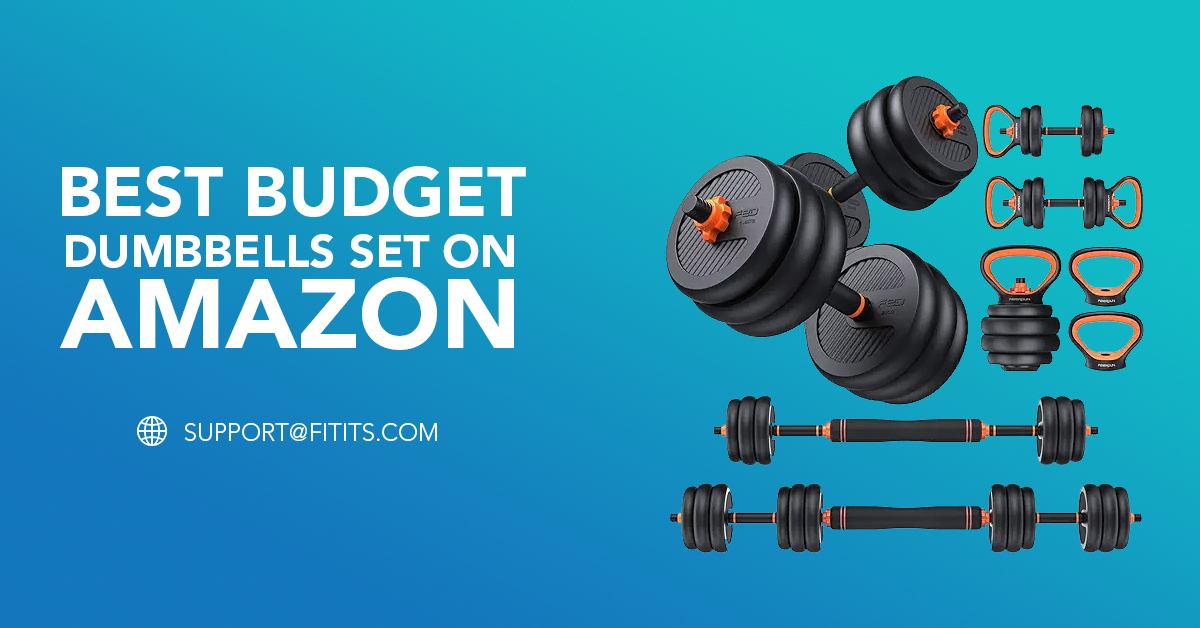
A set of adjustable dumbbells is the only piece of strength equipment you need to acquire. Why? They save the most space. You get all that variation in one small pair instead of a big rack that holds 10 to 15 pairs of dumbbells.
Sarah’s first set of weights was between 5 and 25 pounds. This enabled her do a lot of different workouts, like bicep curls, overhead presses, weighted lunges, and goblet squats. She could just turn a dial to make the weight heavier as she got stronger. This made sure that her muscles were continuously being challenged, which is a vital element for growing strength.
Things to Look For in 2026:
Mechanism: Check to see that the locking mechanism works smoothly and safely. Dial systems, like Bowflex SelectTech, and pin-and-lock systems are both common and dependable.
Weight Range: A set that goes up to 25 or 50 pounds is more than adequate for a real beginner to start with.
grasp and Feel: A handle that is textured and pleasant is very important for a secure grasp, especially when you start to sweat.
The FLYBIRD Adjustable Dumbbell is a great choice for anyone on a budget because it has a quick-change system and is small.
The Bowflex SelectTech 552 is still the best choice because it lasts a long time and is easy to use.
2. The Resistance Bands Set: The Unsung Hero
Resistance bands are probably the most underappreciated piece of cheap home gym equipment. They are quite useful, light, and easy to carry. They keep your muscles tense all the time, which is different from using free weights.
Sarah had a tiny bag with a set of loop bands (sometimes called “booty bands”) and a set of tube bands with handles. Before her main workout, she did glute activation movements like fire hydrants and clamshells with the loop bands. With the door anchor attachment on the tube bands, she could conduct cable machine exercises like lat pulldowns, chest presses, and tricep pushdowns.
Different kinds of resistance bands for beginners:
Loop Bands (Mini-Bands): These are little, round bands that are usually used for lower-body workouts to work on the hips and glutes. Fabric bands tend to last longer and not roll up as easily as latex bands.
Tube Bands with Handles: These lengthier bands feel like dumbbells or cable machines and are perfect for working out your upper body. Find a set that comes with a door anchor, handles, ankle straps, and different levels of resistance.
Pull-Up Assist Bands: Long, thick loop bands that can help you do your first pull-up. You can use lighter bands as you get stronger until you don’t need them anymore.
3. The exercise mat is your personal space.
An exercise mat does more than just protect your body. It sets the limits of your training area. It’s a mental signal that when you go onto the mat, it’s time to pay attention to your health. If you’re just starting out, a nice mat is important for doing push-ups, planks, crunches, and other floor workouts.
It maintains your area clean and protects your joints from hard floors. Don’t be cheap here; a cheap, fragile mat will bunch up and break. Buy one that is thick enough to be comfortable but not so thick that it is unstable.
Things to Look For:
For overall fitness, look for a mat that is at least 1/4 inch (6–8 mm) thick. A 1/2-inch mat might be better if your knees are sensitive or you plan to do a lot of work on the floor.
TPE and high-density foam are two great materials. They are strong, don’t slip, and are easy to clean.
Size: A regular yoga mat is excellent, but bigger workout mats allow you more freedom to move, which is great for exercises that change quickly.
4. The Kettlebell: The Stability Builder
Adjustable dumbbells are great, but a single kettlebell lets you exercise in a way that focuses on dynamic, flowing movements. Kettlebell swings, Turkish get-ups, and goblet squats are all great exercises for building explosive power, improving heart health, and strengthening your core in a manner that dumbbells can’t quite do.
If you’re just starting out, one kettlebell is all you need. A decent beginning weight for women is usually between 15 and 25 pounds (8 and 12 kg), and for men, between 35 and 45 pounds (16 and 20 kg). Pick a weight that is hard but lets you keep your form.
Why use a kettlebell?
The kettlebell swing is a great full-body workout on its own.
Better grasp Strength: The thick handle makes your grasp stronger, which helps you lift more weights.
Kettlebell flows are a great way to get your heart rate up rapidly, which makes them a really effective workout.
Getting Ready for Your Second Phase: Gear
You might be ready to add more weapons to your collection after a few months of sticking to the fundamentals. The next items of equipment will help you face new obstacles and make your workouts more fun and interesting.
1. A weight bench that can be adjusted is the main piece of furniture in a home gym.
A weight bench that can be changed is a game-changer. It opens up dozens of new workouts and makes sure you do them with improved form and support. A flat bench is fine, but an adjustable one that can go from flat to several incline positions is much more useful.
You can now do the following with an adjustable bench:
- Incline Dumbbell Press (for the upper chest)
- Seated Dumbbell Shoulder Press (to help your back more)
- Dumbbell Rows (with your body resting on the bench)
- Bulgarian Split Squats are an amazing leg workout.
- Decline Push-ups and Crunches
Important Things to Look for in a Beginner Bench:
Foldability: Most current benches can be folded up, which makes them great for a small gym setup. When you’re not using it, you may slide it under a bed or put it in a closet.
Weight Limit: Find a bench that can hold at least 500 pounds. This makes sure it is solid and will hold you up as you get stronger and lift more.
Ease of Adjustment: The system of pins or ladders for changing the angle should be rapid and safe.
2. A doorway pull-up bar will help you master your body weight.
The pull-up is one of the best exercises for your upper body because it works your back, biceps, and shoulders. But for most newcomers, it seems like an impossible task that scares them. The best method to get over it is with a doorway pull-up bar and resistance bands to help you.
The new doorway pull-up bars are much safer than the old ones. They employ leverage to hold themselves to the door frame without screws or damage. You can also put several of them on the floor for push-ups, dips, and core exercises, which makes them a useful tool.
How to Get Ready for Your First Pull-Up:
Dead Hangs: To increase grip strength and shoulder stability, just hang from the bar for as long as you can.
Negative Pull-Ups: Jump up to the top (chin above the bar) and then slowly lower yourself down.
Assisted Pull-Ups: Put a pull-up assistance band around the bar and put your foot or knee in it. The band will help you get through the whole range of movements.
3. The Cardio Question: Small and Quiet Choices
A lot of people who are just starting out assume they need a treadmill or elliptical, but these machines cost a lot of money and take up a lot of space. You don’t need a big machine to get a great cardio workout at home.
Great Cardio Options:
Jump Rope: A weighted jump rope is a cheap and very useful instrument for high-intensity interval training (HIIT). Jumping for just a few minutes can raise your heart rate and burn a lot of calories.
If you want a machine, think about getting a foldable exercise bike or rower. XTERRA and Sunny Health & Fitness are two brands that provide good folding bikes and rowing machines that give you great workouts and are easy to store.
Walking Pad / Under-Desk Treadmill: These are great for people who work from home and are a big trend for 2026. You can get your steps in while you answer emails, which adds low-intensity exercise to your day without having to set aside a specific block of time.
How to Set Up Your Space for Success
You don’t need a separate area to make a good home gym. Sarah made hers in a corner of her living room that was 6 by 8 feet. The most important thing is to organize things well and pick small gym equipment.
Here are some ideas for a home gym in a small space:
Define Your Zone: Use foam tiles that fit together to make a special workout space. This keeps your flooring and joints safe and helps you mentally separate your gym from your home.
Vertical Storage: Use hooks or shelves on the wall to keep your exercise bands, yoga mat, and jump rope. A weight plate tree or a tiny dumbbell rack can help you keep your weights in order and off the floor.
Choose equipment that can be folded or packed away. This is the most important thing. This is a great place to employ an adjustable bench that slips under the sofa, a doorway pull-up bar that comes down when you’re done, and adjustable dumbbells.
Make a “Motivation Station”: This is your place, so make it motivating! Hang up a poster that inspires you, acquire a tiny whiteboard to keep track of your workouts, and make a playlist of high-energy songs. Sarah put a little plant and a mirror in her area. The mirror wasn’t for vanity; it was to inspect her form and see how much stronger she was getting.
Your Guide to Working Out Without Getting Hurt
It’s just half the battle to have the best home gym equipment for beginners. Using it safely is what will help you stay fit for a long time.
Always Warm Up: Do dynamic stretches like arm circles, leg swings, and torso twists for 5 to 10 minutes before every workout. This gets your muscles ready to work out.
Focus on Form Over Weight: It’s better to lift a lighter weight with perfect form than to lift a heavy weight to show off and hurt yourself. To learn the right way to do things, watch tutorials from trusted sources. Take a video of yourself to see how you seem.
Pay attention to your body: Don’t push through intense pain. It’s natural for your muscles to hurt (DOMS), but if you feel severe, stabbing pain, you should stop.
Cool Down and Stretch: After your workout, spend 5 to 10 minutes completing static stretches, holding each one for 20 to 30 seconds. This helps with recuperation and makes you more flexible.
Your journey to a home gym starts now.
Setting up a home gym is more than just buying equipment; it’s a way to invest in yourself. It’s about getting rid of things that get in the way and making a place where you can always go to take care of your health. Your trip will start with a few important things, just like Sarah’s did. It will be based on the little victories you have every day, like the extra rep you did, the heavier weight you lifted, or just the fact that you rolled out your mat when you didn’t want to.
The greatest home gym equipment for beginners in 2026 isn’t the most expensive or the hardest to use. It’s the gear that you’ll really utilize. The tools that will grow with you are the ones that are useful, save space, and can be used in many ways. Begin with small steps, stick with them, and celebrate each one. Your future self will be grateful.
Ready to design your own workout sanctuary? You can find more guides and product reviews on Fitits.com, or you can email us at support@fitits.com for personalized advice to get you started on your journey.
Questions That Are Often Asked (FAQ)
What is the finest home gym gear for tiny spaces?
For very small rooms, emphasis on hyper-versatile and compact goods. A set of adjustable dumbbells, a set of resistance bands with a door anchor, and a good exercise mat are the greatest things to have. This set of three lets you do hundreds of workouts that work every muscle group, yet you can simply store them in a closet or under a bed. Another great addition that doesn’t take up any space is a pull-up bar that goes over a door.
How much money should I spend on a home gym for beginners?
For less than $500, you can set up a really good home gym for beginners. This is what a budget-friendly beginning setup might look like:
$30 to $50 for an exercise mat
Set of Resistance Bands: $30–$40
Dumbbells that can be changed (up to 25 or 50 lbs): $200–$400
Jump Rope: $15 to $25
This first investment gives you everything you need to work out your whole body. As your funds and devotion develop, you can always add more expensive things like a bench or a cardio machine.
Is it possible to become in shape with only a few pieces of equipment?
Of course. The amount of equipment you have isn’t as significant as how often and hard you work out. You can work out your chest, back, shoulders, arms, legs, and core with simply dumbbells and resistance bands. You can gain muscle, remove fat, and become in much better shape by doing complex motions like squats, lunges, presses, and rows and employing progressive overload (gradually increasing the weight or reps).
Is it a good idea to get a home gym machine that does everything?
All-in-one machines aren’t the greatest place for most beginners to start. Even while they look useful, they can be costly, take up a lot of room, and not be as useful as a basic set of free weights. They also lead you through a fixed range of motion, which doesn’t engage the tiny stabilizing muscles as efficiently as free weights do. If you want to create a strong functional base, it’s best to start with free weights like dumbbells and kettlebells.
What is more important for a beginner: strength training or cardio equipment?
Strength equipment is more important for a newbie who wants to lose weight, get healthier, and look “toned.” When you do strength training, you grow muscle. Muscle speeds up your metabolism, which means you burn more calories even when you’re not working out. You don’t need any machines to do a good cardio workout. You may do HIIT circuits, jumping jacks, burpees, or even just walk quickly outside. So, your first investment should be in strength tools that can be used in a variety of ways, such as adjustable dumbbells and resistance bands.