

The sound of iron plates banging together is the music of the gym. It means working hard, making progress, and looking for strength. But when the music stops and the workout is over, those same plates may rapidly turn into a mess. In home gyms, it’s normal to see piles of 45s leaning against walls, change plates spread like confetti, and bumper plates taking up valuable floor space. This dysfunction is not only an aesthetic problem; it also makes things hard to do. It makes it hard to load and unload your bar, raises the risk of tripping or dumping a weight on your foot, and takes up valuable space that you need to workout.
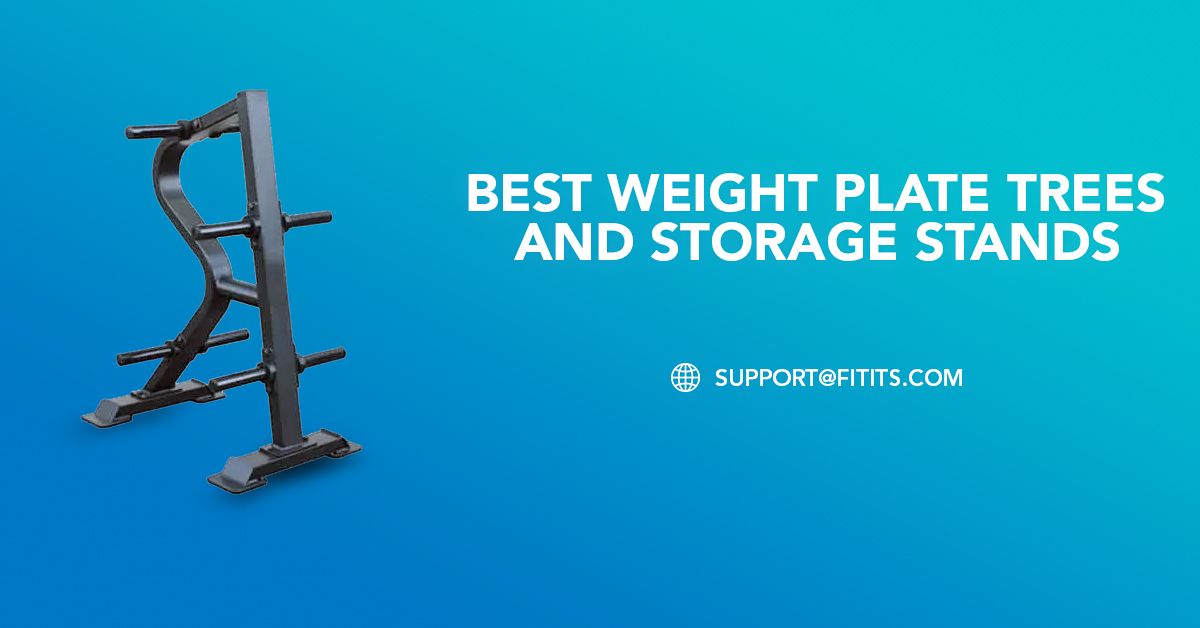
The weight plate tree is a simple yet heroic way to fix this mess of heavy metal. It is the backbone of gym organization, a dedicated framework that can support hundreds of pounds of steel or rubber in a small, easy-to-reach space. A decent weight plate tree changes your workout room from a crowded storage locker into a professional training facility. It makes your work easier, keeps your equipment safe, and lets you focus on the lift instead of trying to avoid a minefield of loose weights.
Picking the best weight plate trees for your home gym is an important part of making the most of your workout space. It’s about taking back your floor, taking care of your equipment, and making a space that makes you want to work out hard. This complete article will teach you everything you need to know about how to store weights. We will look at the distinctions between vertical trees and horizontal toasters, as well as the differences between stability and weight capacity. We will also analyze the best models that will make your iron paradise more organized.
The Change: How Storage Saved Mark’s Back (and His Marriage)
Mark, who was 38 and an accountant, liked his basement gym. He had built up a huge collection of weights over the years. He had a full set of iron plates for powerlifting, some bumper plates for Olympic lifting, and a bunch of smaller change plates. But he didn’t have any place to put it. His “system” was easy: put them in a pile in the corner of the room.
This system wasn’t working for him at all. He had to bend over, take the 10s and 25s off the stack, and then put them back on the stack every time he wanted to deadlift. His lower back was already tired from bending and lifting in an unnatural way by the time he loaded his bar. The stacks were getting worse because they were spreading out and blocking the path to the laundry room. His wife, Sarah, had tripped over a rogue 5-pound plate while carrying a basket of clothing and had (rightfully) called the gym a dangerous place. Mark was told to either organize the mess or the gym will close.
Mark bought a heavy-duty, vertical weight plate tree with wheels since he knew he needed a true answer. Setting it up that day was a revelation. He spent an hour sorting his plates by size and sliding them onto the strong chrome horns. The stacks on the floor were gone. There was a huge increase in the amount of space on the floor.
But the largest shift was in how he worked out. He could now roll the tree all the way to his deadlift platform or squat rack. Putting the bar on was easy—just sliding a plate from waist height onto the sleeve. You won’t have to stoop down to pick up dishes off the floor anymore. His warm-ups were shorter, his back felt better for his main lifts, and his gym looked more like a place of business than a storage shed. Sarah even agreed, saying that she could really stroll through the room without any problems. Mark learnt that being organized isn’t only about being neat; it’s also about being safe, getting things done quickly, and keeping the peace.
What You Need to Know About the Anatomy of a Plate Tree
A weight plate tree may look like a simple steel rack, but the way it is made determines how well it functions with your plates and your area. When choosing the best weight plate trees for your home gym, you need look at more than just the price. You should also look at how they are made.
1. Weight Limit and Stability
This is the most crucial thing. You are putting hundreds, maybe even over a thousand, pounds of weight on this rack.
- Static Weight Capacity: For a starting set, look for a tree that can hold at least 500 lbs. For a serious home gym, look for one that can hold 800 to 1,000 lbs. Commercial trees that are high-end can hold more than 1,500 pounds. Don’t put too much weight on a tree.
- foundation Design: A wide foundation is important for stability so the structure doesn’t tip over. Find a base that is X- or H-shaped that spreads the weight equally.
- Center of Gravity: A tree that is well-designed keeps the weight in the middle. Be careful of inexpensive trees that feel top-heavy or tipsy when you only load the top pegs.
2. Layout and spacing of pegs
Not all plates are the same, and neither are the trees that carry them.
- The most important difference between bumper plates and iron plates is this. Solid rubber bumper plates are a lot thicker than cast iron plates.
- distance: You need to pick a tree with broad distance between the weight horns if you have bumper plates. Standard trees made for thin iron plates don’t always have enough space between the pegs to put 45lb bumpers on top of each other on different levels.
- Horn Length: Bumper plates take up more space on the peg horizontally. Make sure the horns are long enough (usually 8–10 inches) to handle a good stack of bumpers.
- Peg Diameter: Make sure the pegs are made for 2-inch Olympic plates, which is what most home gyms use. Some less expensive trees are constructed for “standard” plates that are just 1 inch thick. These plates are too tiny for Olympic weights, which will make them droop in an unnatural way.
3. Quality of Construction
A good tree should live for a long period.
- Steel Gauge: Like with racks, a lower gauge signifies thicker steel. For the most strength, look for steel frames that are 11 or 12 gauge.
- Finish: The powder coat finish is strong and won’t chip or rust.
- Chrome-plated or stainless steel horns are better than painted horns. As you slide plates on and off, the paint will eventually peel and scratch off, which will make the surface look dirty and rusty. Chrome makes a surface that is smooth and long-lasting.
4. Moving about (wheels vs. not moving)
Do you need to move your weights around?
- Most trees are meant to stay in one place. They are usually less expensive and very stable.
- Wheeled: A mobile weight tree is a game-changer for bigger gyms. It lets you roll all of your plates from the squat rack to the bench press to the deadlift platform. Find heavy-duty caster wheels that lock and can take the weight.
The Best Weight Plate Trees Reviewed: The Top Contenders
We looked at the market to find the storage options that have the best mix of size, strength, and style.
1. The REP Fitness Weight Plate Tree: The Heavy-Duty All-Rounder
The plate tree from REP Fitness is a great example of how they always make home gym equipment that is as good as what you would get in a gym.
- The specs say it can carry 850 pounds, has 6 chrome-plated weight horns, and 2 barbell holders. Comes in a variety of colors.
- The Feel: Very strong. The X-shaped base assures it won’t topple, even when unevenly loaded. Chrome horns are smooth and don’t chip like painted ones do. The two vertical barbell holders are a great addition that make it a primary storage hub.
- Why It Wins: It fixes two difficulties (plates and bars) in a little space. There is ample space for most iron plates and some bumper configurations (but verify the requirements for full bumper sets). It’s the best small weight plate tree that doesn’t give up strength.
- Best For: People who operate a home gym and have a mix of iron and bumper plates, as well as a place to store two barbells.
2. The Rogue Vertical Plate Tree 2.0 is the best bumper plate specialist.
Rogue knows that bumper plates need special care, and this tree was made just for them.
- The Specs: Built with reinforced steel and spaced out such that full-size 45lb bumper plates can fit on all levels. You can get wheels if you want.
- The feel: It’s too heavy, like all Rogue gear. It feels like it can’t move. The space is just right, so you never have to fight to get a thick bumper plate in or out.
- Why It Wins: It solves the problem that bumper plate owners have: regular trees don’t fit them. This tree is a great way to store a whole set of bumpers. The optional wheels make it quite useful.
- Best for: Olympic lifters, cross-training athletes, and anyone who mostly has thick bumper plates in their collection.
3. The Titan Fitness Rolling Bumper Plate Stacker: A Mobile Workhorse
A tree isn’t always the answer. A vertical stacker on wheels is often better for storing bumper plates.
- The Specs: A simple vertical post on a base with wheels. It can hold more than 500 pounds of plates placed flat.
- The Feel: Easy and useful. It doesn’t take up much space. It’s easy to roll it around.
- Why It Wins: It’s the best weight plate tree for tiny places. It doesn’t take up more than 2 square feet. It’s usually easier to stack plates flat than to slide them sideways onto a tree, especially for big bumpers.
- Best For: People that lift weights and don’t have a lot of room and only want a mobile solution for a set of bumper plates.
4. The CAP Barbell Olympic 2-Inch Plate Rack is a good choice for anyone on a budget.
For people who are new to weightlifting and need a basic iron set, CAP has a useful and cheap option.
- The specs say it can hold 500 pounds, has an A-frame shape, and has seven storage pegs.
- The feel: It’s light, but strong enough for its rating. It has painted horns that will wear down with time, but the structure is strong enough for normal home use.
- Why It Wins: Price. It gets your dishes off the floor for a lot less money than premium trees. For beginner sets of cast iron plates, this is a perfectly good answer.
- Best for: People who are just starting out and don’t have a lot of money to spend on cast iron plates (not bumpers) and need help organizing.
5. The “Toaster” Rack: The Horizontal Option
The horizontal toaster rack is an important type of bumper plate storage, even if it isn’t really a “tree.”
- The design is a long, low rack with separators that keep dishes upright in slots, like toast.
- Why It Wins: It makes it easy to organize a lot of bumper plates. You can roll plates in and out without having to lift them. It works great in bigger garage gyms, but it’s mostly used in commercial gyms.
- Best for: Lifters that have a lot of bumper plates and a lot of floor area and want the best way to get to them.
Plan for Organization: How to Load Your Tree Safely
The first step is to own a tree. The next stage is to use it correctly. Most mishaps with weight trees happen because they weren’t loaded properly.
The Golden Rule: Heavy on the Bottom
Physics says that a low center of gravity is stable.
- Bottom Pegs: Use these just for your heaviest plates, which are 45s and 100s. This keeps the tree in place on the floor.
- Middle Pegs: These are for your 25s and 35s plates, which are in the middle range.
- Top Pegs: These are for your lightest plates, such 10s, 5s, and 2.5s. Putting 45-pound plates on the top peg of an empty tree will make it fall over.
Equal Distribution
Try to keep the weight on both sides of the tree about the same. A tree that is well-balanced won’t tip over if it is a little off, but having 200 pounds on one side and none on the other puts too much stress on the frame and makes it more likely to break if it is bumped.
Ergonomics
Think about your back. If you can, keep the plates you use the most at waist height (typically the center pegs). This makes it so you don’t have to bend as much when you work out.
Conclusion: There is order in the Iron Court
A weight plate tree is the unsung hero of the home gym. It doesn’t directly help you lift more weight, but it makes the space where amazing lifting happens. It makes a messy, possibly dangerous room into a safe place of strength. It keeps your pricey plates from becoming scratched on concrete, spares your lower back from unneeded strain, and gives you back the floor space you need to move and practice freely.
Buying one of the greatest weight plate trees for your home gym is a sign that you mean business. It shows that you care about your training, your equipment, and getting things done quickly. You are laying the groundwork for your fitness adventure for years to ahead, whether you choose a mobile stacker for your bumper plates or a heavy-duty tree for your iron collection. Get to work by clearing the floor and putting the weights back on the rack.
Are you ready to set up your perfect training space? At Fitits.com, you can browse our whole library of home gym storage options and equipment reviews. If you need help making the most of your gym space, you can also email our team at support@fitits.com.
Questions and Answers (FAQ)
Q1: How much weight can a tree with weight plates hold?
It depends on the model. Most entry-level trees can hold about 500 pounds. Most mid-range home gym trees can hold between 850 and 1,000 pounds. Trees made for businesses may hold more than 1,200 pounds. Always look at the “static weight capacity” of the manufacturer and make sure it is more than the weight of all your plates.
Q2: What kinds of weight plate trees are there?
There are three primary types:
The classic “Christmas tree” shape is the vertical A-frame. Good for iron plates.
Vertical Post/Stacker: A single post that is usually on wheels. Great for stacking bumper plates on top of each other.
A low rack with slots that goes across the “Toaster.” Best for a lot of bumper plates.
Wall-Mounted Storage: Pegs that you can attach to a wall or a power rack. Great for saving space on the floor.
Q3: Are bumper plates compatible with all weight trees?
Yes, technically, but not really. Iron plates are substantially thinner and wider than bumper plates. The space between the pegs on a conventional tree made for iron plates is sometimes too small, which means that the bumper plates on the top and bottom pegs will hit each other. You need a tree that is particularly described as “bumper plate compatible” or one with wide peg spacing.
Q4: Do I need a tree that has wheels?
Wheels are quite helpful if you have a big gym where you lift in different places, like a squat rack on one side and a deadlift platform on the other. It saves time and energy to be able to roll 300 pounds of plates right to your bar. A regular tree is great if you lift in a stationary rack.
Q5: Will the weight horns scratch my plates?
Yes, there will be some wear over time. But trees with chrome-plated or stainless steel horns are more smoother and don’t produce as much friction as painted horns. Eventually, painted horns can chip, and the paint can get stuck in the middle ring of your plate.
Q6: How do I pick the best weight plate tree for my home gym?
Think about these three things:
Type of Plate: If you have bumpers, get a tree that works with them. If you have iron, regular trees will work.
Total Weight: Find out how much you weigh and then add 20% for safety and future growth. Get a tree that can hold that much.
Space: Find out how big your footprint is. If you don’t have a lot of room, search for a weight plate tree that can fit in limited locations, like a vertical stacker.
Deep Dive: Why the Material and Finish Are Important
When looking for the greatest weight plate trees for your home gym, it’s easy to forget about the finish of the rack. However, this detail has a big effect on how long it lasts and how easy it is to use.
The Horn Finish Debate: Chrome, Paint, or Stainless Steel?
The “horns” or “pegs” are the portions of the tree that keep the plates in place. Every time you move a 45-pound cast iron plate on or off, they get a lot of friction.
- Powder Coat (Paint): This is the least expensive choice. Powder coat is a good choice for frames, but not for weight horns. Sliding plates will scratch through the paint in a few weeks because of the friction between the metal and the metal. This makes the steel exposed, which can corrode, and it makes paint chips fall off your floor.
- Chrome Plating: This is the best way to make sure your home gym equipment is of high quality. Chrome makes the steel’s surface firm and smooth. It won’t scratch as easily as paint. The plates slip on and off easily, and the horns stay polished and professional-looking for years.
- Stainless steel is the best choice. You don’t need to coat stainless steel because the metal itself doesn’t corrode. There is no plating to fail, therefore it will never chip or peel. But it costs a lot more.
- Plastic Sleeves: Some companies are now putting plastic sleeves (like UHMW) over the steel horns. This is great for keeping the center rings of expensive calibrated plates or bumper plates safe, but it can also make the horn bigger, which can make it hard to fit some cheaper plates.
Building a Frame: Bolted Together vs. Welded
How the tree is put together affects how strong it is.
- entirely welded: Many commercial trees are entirely welded. They are quite robust and don’t wobble at all because there are no bolts to loosen. Shipping them is expensive, though, because they arrive in one big package.
- Bolt-Together: Most home gym trees come in a flat box and need to be put together. The bolts are usually robust enough, but the vibration of loading big plates can cause them to come free over time. Tip for keeping things in good shape: Use a thread-locker, such Loctite Blue, on the bolts when putting together a bolt-together tree. This will keep the bolts from coming loose over time.
Creative ways to store things in small spaces
Not everyone has a big garage or basement. A regular tree could be too big for people who live in apartments or have ‘closet gyms’. If you don’t have a lot of space, here are several other ways to store your home gym.
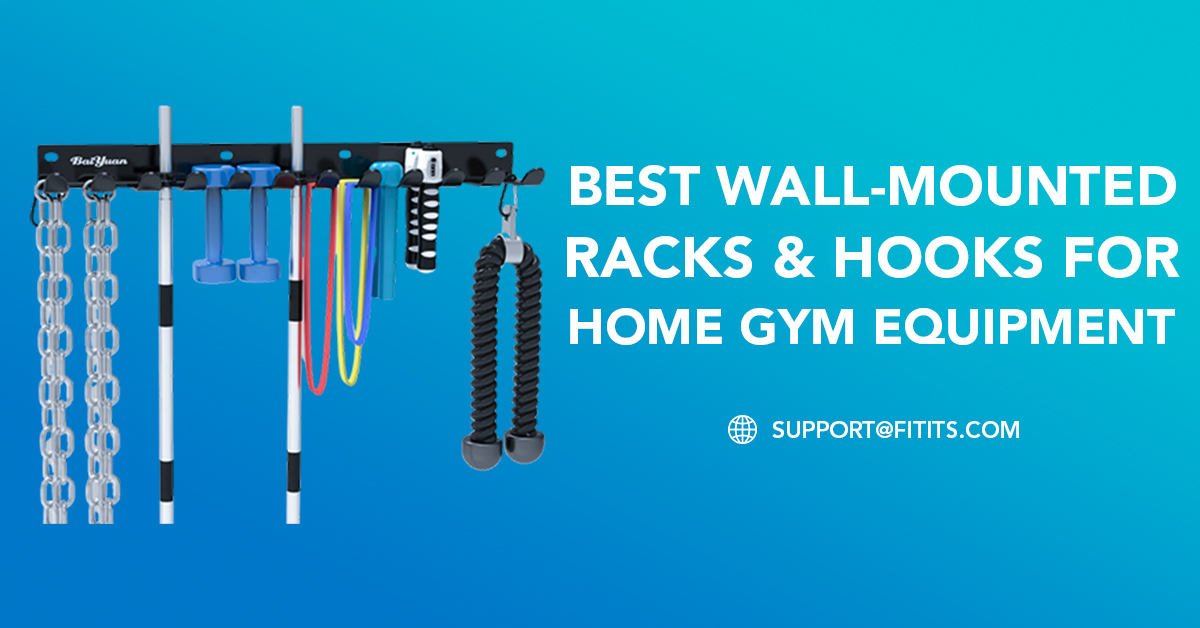
1. Weight Pegs That Go on the Wall
If you can’t utilize the floor, use the walls.
- The Idea: Heavy-duty steel pegs that go straight into the wall studs with lag bolts.
- The Pros: No floor space needed. It looks really clean and professional.
- The bad thing is that installation is quite important. You could rip a hole in your wall and drop heavy things if you miss a stud or use weak bolts. It also needs a wall that can hold the weight.
2. Storage on a rack
Use your power rack if you have one.
- The Idea: Weight horns that attach to the squat rack’s uprights.
- The Pros: It combines your storage and lifting area into one space. The plates on the rack make it more stable by adding weight to it.
- The Cons: If the storage pegs are put in the wrong spot, they can get in the way of lifting inside the rack (for example, hitting the plates while bench pressing).
3. The “Do It Yourself” Platform Storage
For platforms for deadlifts.
- The idea is to put storage boxes or dowels right into the corners of a wooden lifting platform.
- The Pros: It keeps plates just where you need them for deadlifts.
- The bad things: You need to know how to deal with wood, and it only works with the plates you use for deadlifting.
The Secret Benefit: Keeping Your Money Safe
We usually think of weight trees as keeping the lifter or the floor safe, but they also keep the weights safe.
Cast iron plates are strong yet break easily. The moisture from the floor can get into the bottom plate if you leave it in a pile on concrete. This can make it rust. If you keep banging things together in a stack, the paint or enamel can chip. A tree keeps them apart, dry, and well-ventilated.
Bumper Plates: Rubber breaks down with time, especially when it is often exposed to garage floors that have UV radiation, oil, or solvents on them. Putting them on a tree keeps them off the floor, which could be dirty or oily, and stops them from warping, which can happen if they are placed against a wall at an angle for a long time.
Calibrated Plates: These precise discs cost a lot of money and have very small tolerances. Scratches and chipping can make them less accurate while weighing. To keep their calibration and resale value, you need to keep them on a high-quality tree with smooth horns.
Final Thoughts: The Standard for Professionals
If you go to a university weight room, a powerlifting club, or a high-end CrossFit box, look at the floor. There won’t be plates all over the place. You will observe rows of weight trees that are ordered and full.
It’s not only about the rules; it’s also about how you think. A tidy space helps you keep your mind on track. When you walk into your home gym and see your weights neatly stacked on a small weight plate tree, you know right once that this is a place to work and focus. You aren’t tripping over junk; you’re stepping into a system that will help you succeed.
Don’t let the last 10% of your gym, which is the storage, hurt the other 90%. You should treat your home gym like a professional gym. Find the correct tree, put your iron in order, and make your training better.
Visit Fitits.com for more tips on how to make the best home workout room. You can also email us at support@fitits.com.