

Living in the city is exciting, cultural, and convenient, but it typically means giving up a lot of space. When people who live in apartments look around their living room, the ambition of having a home gym frequently dies. There isn’t enough room for a yoga mat, let alone a piece of gym equipment, between the couch, the desk where you work from home, and the dining table. It feels like a game of Tetris where you’re going to lose.
But the story that you need a garage or basement to get in shape is old. The fitness industry has seen the move toward city life and has responded with a lot of new ideas. The most compact home gym equipment for apartments nowadays is made to blend in with your life, not just fit into it. We mean treadmills that fold up and fit under beds, dumbbells that replace whole racks, and resistance systems that hang on doors without drawing attention to themselves.
This book is your plan for getting your health back without giving up your home. We will look at the smartest and most useful products on the market to show that you don’t need a lot of space to get stronger. We can help you turn your small space into a fitness powerhouse, whether you live in a studio, a one-bedroom, or a shared accommodation.
Elena’s Transformation at the Studio Sanctuary
Elena, a 29-year-old copywriter, lived in a 500-square-foot studio in the middle of the city. She loved where she lived, but she loathed her fitness alternatives. The closest gym was pricey and crowded, and running outside was only possible when the weather was nice and the air was clean. She really wanted to work out at home, but every time she looked around her flat, she noticed things that got in the way. Her bed and workstation made up a third of the room each, and her “living area” was only a small rug and a couch.
She told a pal, “I don’t have much room for my shoes.” “Where will I put a gym?”
But she wanted a routine more than she doubted it. She began with tiny things. She looked at technology that was made for compact spaces. She changed her mind about getting a stationary bike and got a good jump rope instead. She bought a stability ball instead of a weight bench. She could deflate it if she needed to, but she ended up using it as her desk chair. She bought a set of adjustable dumbbells that fit perfectly in the corner of her wardrobe.
Her adjustment in how she thought about storage was the true game-changer. She bought an ottoman with secret storage to keep her recovery equipment, yoga blocks, and resistance bands in. Her gym wasn’t “taking up space” anymore; it was part of her condo.
Elena’s studio is still the same size six months later, but her life is bigger. She wakes up, rolls out her mat, pulls her weights from the closet and works up a sweat before her first Zoom meeting. She showed that not having enough space isn’t a problem; it’s a design problem. And with the correct small tools, anyone may win this challenge.
What makes equipment “apartment-friendly”?
Let’s first explain what the criteria are before we get into particular suggestions. Some little equipment isn’t good for apartments. Your downstairs neighbors will go to war if your rowing machine sounds like a jet engine, even if it’s small. When looking for the best little home gym equipment for apartments, keep these three “S” elements in mind:
1. Storage (How easy it is to fold and carry)
In an apartment, floor space is very valuable. The greatest equipment does its job during the workout and then leaves without making a fuss. Find things that can be folded flat, have wheels, or come apart easily. Is it possible for it to fit beneath a couch? Can it be hung on a door? Is it possible to put it in a closet? If the answer is no, think again.
2. Noise Level: Silence
If you don’t reside on the bottom floor, you have neighbors below you. Loud motors, dropping weights, and jumping jacks all send vibrations through the floor. Gear that is good for apartments puts magnetic resistance (which is quiet) ahead of air or friction resistance. It has rubberized coatings that make noise and impact less.
3. Synergism (having more than one function)
You don’t have room for tools that can only be used once. There is only one thing that an ab roller does. A stability ball does fifty. Everything in a tiny place needs to serve more than one purpose to prove that it belongs there. The best compact home gym equipment for apartments usually has strength, stability, and mobility all in one.
The Strength Section: Big Gains, Small Space
You need resistance to build muscle, but it doesn’t mean you need a squat rack. Here are the best ways to save space while strength training.
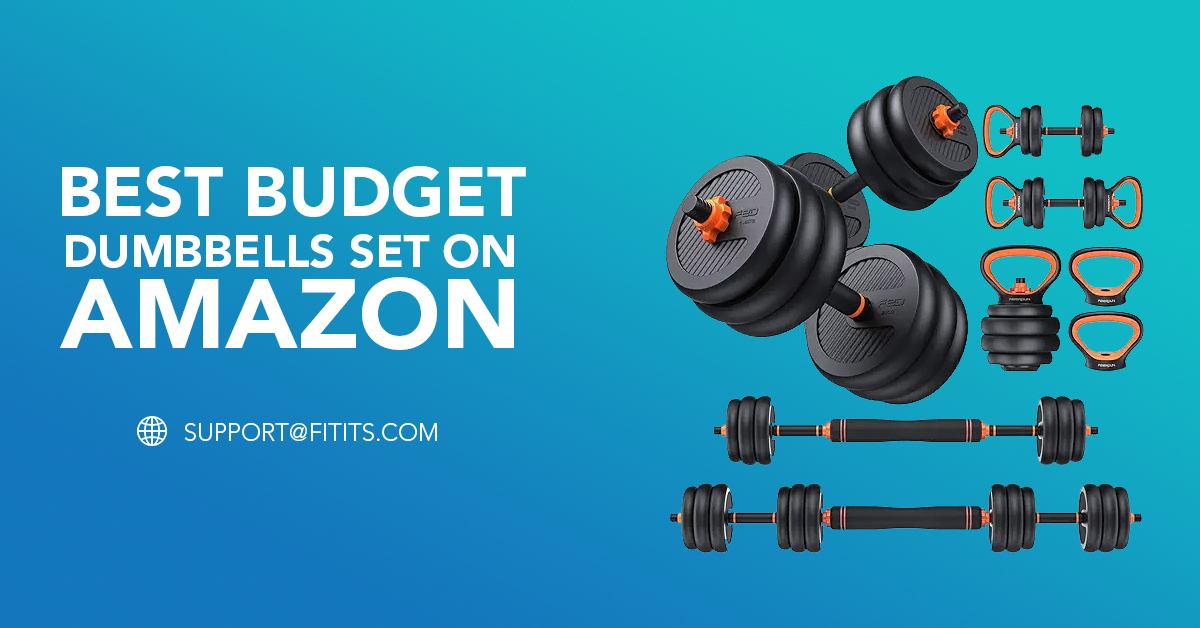
Adjustable dumbbells are the best of the best when it comes to compactness.
This is the only thing you should buy. Dumbbells take up a lot of room. A whole rack of weights from 5 to 50 pounds takes up a whole wall. Adjustable dumbbells, on the other hand, make that whole rack into two small boxes that are about the size of shoeboxes.
- Why they work for apartments: They let you do large compound movements like squats and presses and lighter isolation exercises like curls and raises without changing your footprint.
- What to look for: a flat bottom and long-lasting. In cramped spaces, round dumbbells can roll away, which is inconvenient. Adjustable weights with square or flat edges stay put.
Doorway Suspension Trainers: The Invisible Gym
Suspension trainers, such as TRX, use your body weight and gravity. They are made of strong nylon straps with handles that attach to a regular door.
- Why they work for apartments: When you’re not using them, the whole system fits in a little mesh bag that you can put in a drawer. When you put them up, you can do hundreds of exercises, such rows, presses, squats, and lunges. They are the best “zero-footprint” gym.
- Note to neighbors: They don’t make a sound. You and gravity, no weights clanging.
The Flexible Variable: Resistance Bands with a Bar
Standard resistance bands are fine, but modern ‘bar systems’ are even better. These kits include a metal rod that can be folded up and attached to strong bands.
- Why they work for apartments: They make you feel like you’re working out with a barbell. You can execute deadlifts, overhead presses and squats with the bar, which is like heavy lifting without having to store a 7-foot Olympic bar.
- The bar may be taken apart into two small parts, and the bands can be rolled up. Everything at the “gym” fits in a backpack.
The Functional Seat: A Bench for Storage
Standard weight benches are big and hard to use. If you live in an apartment, seek for a “storage bench.” These appear like standard ottomans or plyometric boxes, but they open out to hold your weights, bands and mats.
Why they work for apartments: It may be used as a weight bench for working out, a place to store your gear, and extra seating for guests. It hides your gym in plain sight.
The Cardio Section: Get Fit Without the Mess
Cardio equipment are usually not good for compact places. Treadmills and ellipticals are really big. But current engineering has made them smaller without losing the workout.
The Fold-Flat Treadmill (Walking Pad)
These have become very popular. These decks are smooth and flat, unlike regular treadmills that have big consoles and handrails.
- Why they work for apartments: A lot of them fold all the way in half, making them as thin as a suitcase. You can put them beneath a couch or lay them against a wall behind a door.
- Use: They are mostly for walking and jogging slowly. If you run marathons, you might need a bigger and stronger machine, but these are the best for getting your daily steps and easy cardio in a flat.
The Climber Up
Vertical climbers move in a way that is similar to rock climbing. They are tall, yet they don’t take up much area on the floor, usually less than 3 square feet.
- Why they work for flats: They use vertical space, which is something that most apartments have a lot of. They give you a full-body aerobic workout that burns more calories than running and doesn’t hurt your joints (and is quieter for your neighbors). Most of the time, they fold up to look like an ironing board.
The Magnetic Folding Bike: The Silent Spinner
Exercise bikes are excellent, but they might be hard to look at. The “X-frame” design of folding magnetic bikes makes the bike half as wide.
- Why they function in apartments: Magnetic resistance is very quiet. You can bike hard at 6 AM and not wake up your flatmate or the people who live below you. It rolls up and goes in the wardrobe when you’re done.
The Low-Tech Hero: A Jump Rope with Weights
Don’t ever overlook the classics. You don’t need to store a jump rope.
- Why they work in apartments: A cordless or “ropless” jump rope is a great idea for apartments. It has short cords with balls on the end and weighted handles. You can feel and hear the beat of jumping rope without the rope hitting the floor, the ceiling, or the furniture. It stops the “thwack-thwack” sound that neighbors loathe.
The Recovery and Mobility Corner
Tools for recovery are often simple, but they can quickly make a living room messy. This is how to keep your mobility work short.
Foam Rollers That Can Be Folded
Yes, they are real. A regular foam roller is big and cumbersome, but foldable ones can be flattened into a thin disc, which makes them easy to store in a drawer or travel bag. They provide you the same myofascial relaxation without the hassle of storing them.
Guns for Massage
The best way to recover in your flat is with a massage gun. It makes it so you don’t need as many balls, rollers, and sticks. With just one handheld device and a few attachments, you can work out every muscle group in your body. It is strong, easy to carry, and fits in a bedside table.
Carrying strap for yoga mat
Don’t just wrap up your mat and toss it in the corner, where it will unfurl and gather dust. Buy a mat that has a strap or a wall mount. If you hang your mat on the back of a door or on a hook just for it, it will stay clean, flat, and out of the way.
How to Set Up Your Small Space Gym: The “Hidden” Gym Idea
It’s not enough to just have the best compact home gym equipment for apartments. The other half is putting things in order. You won’t use your equipment if it’s hard to get out. If it’s hard to put away, your flat will look like a locker room. Here are some smart strategies to get organized.
1. The “Under-Bed” Business
Your bed is probably the biggest thing in your house. The area below is very valuable real estate.
- Use rolling plastic bins as a strategy. These bins are great for storing your dumbbells, kettlebells (on their sides), and resistance bands. This keeps them free of dust and easy to pull out.
- The Treadmill Garage is the best place for your yoga mat or fold-flat treadmill.
2. Vertical Integration (Door & Wall)
If you can’t build out, build up.
- Those shoe organizers with compartments that go over the door? They are great for resistance bands, jump ropes, gloves for lifting, and massage balls.
- Pegboards: A nice pegboard on a small part of the wall can contain bands, mats, and light weights. It makes your equipment look like a planned and up-to-date presentation.
3. Furniture with two uses
We talked about the storage bench, but there are other things to think about.
- The “Gym” Basket: A lovely wicker or woven basket in the living room can house rolled-up yoga mats and foam rollers. It seems like a decoration, but it’s really a storage space.
- The Stability Chair: Instead of a desk chair, use a stability ball or a chair that has one built in. It makes you use your core muscles while you work and gets rid of the necessity to keep a big ball somewhere else.
Noise, neighbors, and manners
There is a social aspect to flat workouts: the people who live around you. It won’t matter if you get kicked out of your flat for being too loud if you use the best compact home gym equipment.
- The Magic of Puzzle Mats: Even if you have carpet, you should still put down high-density foam puzzle mats. They take the force of your motions and make sound waves less strong. They also tell you where to work out.
- Control the Eccentric: When you lift weights, the “eccentric” phase is when you reduce the weight. You can’t drop weights in a flat. Not only is it courteous to control the lowering phase, but it also creates more muscle and strength than just letting gravity do the work.
- Jump Softly: If you practice plyometrics (jumping), try to land like a ninja, with your toes pointing down and your knees bent. Your joints and your downstairs neighbor’s ceiling will thank you.
A Sample Workout Plan That Works in an Apartment
You have your small gear. How do you put it together? This full-body workout needs an area that is 6 feet by 4 feet (the size of a yoga mat) and very little equipment.
You will need adjustable dumbbells, resistance bands, and a yoga mat.
Five minutes of warm-up:
- Squats with your own body weight
- Circles using your arms
- High knees (landing softly)
- Band pull-aparts to get your shoulders ready
The Circuit (Do 3 rounds, with 45 seconds of labor and 15 seconds of rest):
- Goblet squats with dumbbells: Hold one dumbbell at chest level. Keep your chest high as you squat down.
- Resistance Band Rows: Use your feet or tie the band to a doorknob. Pull the bands back while compressing your shoulder blades.
- Dumbbell Floor Press: Get on your mat. Press the dumbbells up from the floor until your elbows are fully extended. (It’s safer than doing a bench press without a spotter.)
- Reverse lunges: Step back into a lunge while holding dumbbells at your sides. (Reverse lunges need less balance and space than forward lunges.)
- Dumbbell Overhead Press: Stand or kneel (to stay away from low ceilings and fans) and press weights over your head.
- Plank: Put your forearms on the mat and keep your body straight.
Take a Break:
- Five minutes of stretching on the floor.
This workout works all the major muscle groups, speeds up your pulse rate, and doesn’t create any noise.
Conclusion: You make the rules in your flat.
People frequently see living in a tiny place as a problem, yet it can actually help you be more creative and focused. You have to choose the most important things when you can’t load a space with useless gadgets. You get rid of the extra stuff and are left with the simple, useful instruments that really improve your body.
The Best Compact Home Gym Equipment for Apartments lets you take charge of your health, no matter how big or small your apartment is. It makes your living room a place to do lunges, your doorway a place to do pull-ups, and your hallway a place to practice cardio.
Don’t forget Elena’s story. It’s not the size of the room that matters; it’s the size of the mind. You may make a fitness regimen that is regular, effective, and fits into your city life by picking equipment that is flexible, folding, and quiet. Don’t wait for the larger house. Right where you are, build the stronger you.
Are you ready to change your little space? Check out Fitits.com for more in-depth reviews of small workout gear and workout regimens that work in apartments. You may also email our team at support@fitits.com for help that is particular to your floor plan.
Questions That Are Often Asked (FAQ)
Q1: What is the greatest piece of compact gym equipment for small apartments?
If you could only pick one thing, adjustable dumbbells would be the best choice. They are the most flexible for strength training, don’t take up much room, and can replace a whole rack of weights. When used with a yoga mat, they let you work out your whole body.
Q2: How can I keep my exercise gear organized in a limited space?
Use storage that is “hidden.” Heavy things fit well in rolling containers that go under the bed. Over-the-door organizers are great for lighter bands and other things. Think about getting furniture that can serve more than one use, like an ottoman that has storage space inside it. This will keep your gear close at hand but out of sight.
Q3: Is it possible to work out my whole body with simply small equipment?
Yes, for sure. Your muscles don’t care if the resistance comes from a big machine or a small band. You can build muscle and burn fat as long as you can use tension and progressive overload (which means adding weight or resistance over time). Elite athletes all across the world employ tools like dumbbells, resistance bands, and suspension trainers.
Q4: Can you run on a folding treadmill?
It varies on the model. A lot of “walking pads” are just meant for walking (up to 4 mph). There are, however, high-quality folding treadmills made for running at speeds up to 10 mph. If you plan to run a lot, look for models with a strong frame and a belt that is a little broader. Always examine how much weight it can hold.
Q5: What should I do about sweat in a flat with carpet?
Sweat and carpet don’t mix well. Buy a large yoga mat or a high-density equipment mat to put under you as you work out. This keeps moisture and bacteria from getting into the carpet fibers. After each session, use a disinfectant spray to clean the mat.
Q6: Is it safe to use a suspension trainer (TRX) on flat doors?
Yes, if you use it well. Most suspension trainers come with a “door anchor,” which is a cushioned block that goes on the other side of the door. You have to use it on a door that closes toward you, which means you are dragging the door into the jamb, not pulling it open. A strong wood door with a lock is the best way to keep anyone from coming in while you work out.